
Category: Uncategorized

  • Bookkeeping Tips

    Bookkeeping Tips

    How will you know if your business is profitable if you aren’t tracking the income and expenses of your business?  I understand it isn’t everyone’s favorite thing to do, but it is an essential step necessary to understand the health and viability of your business.  So, with that in mind, we will discuss some of the top bookkeeping tips for a small business owner.

    Stay organized

    Whether you use a filing cabinet, or a shoe box, it is imperative that you keep your receipts organized.  Even if you simply paper clip them by expense type this will help make it easier for you to enter the data into your accounting software or file your taxes.

    Business and personal finances MUST remain separate

    As a small business owner, you should have a separate business bank account.  Not only will this save you time and energy when you are sifting through expenditures, but it will also help you keep track of income for your business.  This may be difficult at first, but it will save you a lot of time and headaches in the long run.

    Plan for big expenses and taxes

    Budgeting for inventory, computers, repairs, maintenance, and taxes will save you a lot of worry regarding these expenses in the future.  Setting aside a little money monthly will keep your cash flow steady throughout the year.  This move will keep you from having to get a loan or make cutbacks at the end of the year to pay for your taxes or make necessary repairs.

    Watch your accounts receivable

    Sometimes clients simply forget to pay their invoices.  If you are regularly keeping an eye on what your clients owe you, you will make sure your income remains regular.  If you are using accounting software, you can run an accounts receivable report on a regular basis (we recommend weekly or monthly) to stay on top of amounts owed to you.

    Don’t get behind on reconciliations

    We are all busy.  However, waiting until the end of the year to reconcile all your bank statements is far more stressful than doing them regularly.  We highly recommend that you reconcile all your accounts monthly.  It is easier to remember what you purchased a few weeks ago and make that correction to your accounting software than months later.  Additionally, your financial reports may not be accurate if you are missing transactions or have incorrectly recorded deposits or expenses.

    Review your books regularly

    We recommend business owners give themselves a set time each week or month to review their books.  Owners who do this have a broad overview of their business and a better understanding of their cash flow.  They actively have their fingers on the pulse of their business.

    Pay attention to your payables

    Forgetting to pay your bills can not only affect your credit, but also your tax payments.  Stay organized, pay on time, and keep your payment receipts just in case you need to prove that payment was made.

    Understand cash flow

    Knowing what income and expenses your business will have on a regular basis is critical.  Think of your cash flow as a storage tank.  We need to keep the tank full to pay our bills and meet our obligations.  This is done by monitoring the cash that flows in (receivables) and the cash that flows out (payables).

    Find a good adviser

    Having a good adviser can be invaluable.  It can be overwhelming to understand your software, the ins and outs of payroll, or how to file your quarterly taxes.  A good advisor can walk you through what you need to understand, offer bookkeeping tips, and help you fix any errors you may have made.

    Know when to outsource

    Lastly, there may come a time when you are SO busy working on your business that you don’t have the time anymore to manage the books.  This is not a failing.  In fact, continuing to do the books when you don’t have the time or knowledge is far more detrimental to your business than outsourcing this task.  If you feel overwhelmed with the task of keeping your books, don’t feel you understand it well enough, or have questions, call us!  We would be more than happy to help so you can focus on your business!
  • Get Paid Faster

    Get Paid Faster

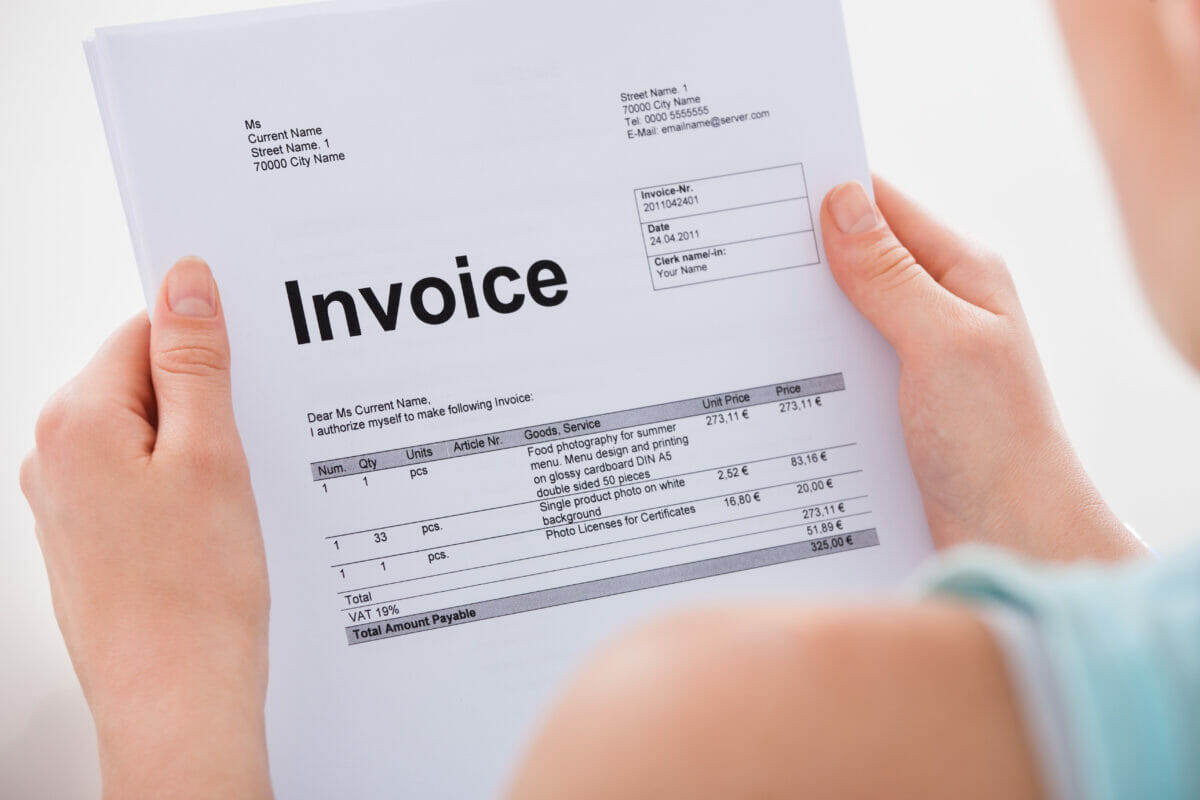
    Most small businesses pour their hearts and souls into the work they do for clients.  We understand their disappointment when the invoice has come due and the client still hasn’t paid.  Silently checking the mail doesn’t help but pestering your client isn’t the best answer either.  Here are some ideas to get your invoices paid more quickly.

    Most small businesses pour their hearts and souls into the work they do for clients.  We understand their disappointment when the invoice has come due and the client still hasn’t paid.  Silently checking the mail doesn’t help but pestering your client isn’t the best answer either.  Here are some ideas to get your invoices paid more quickly.

    Stick to a Schedule

    Your clients will appreciate it if they know when to expect an invoice.  Some businesses send out invoices weekly, some once or twice a month, and others do so when a project is complete.  Whichever you feel is most appropriate for your business, choose it and stick with it.  Clients should only receive one-off invoices on rare occasion.

    Positive Reinforcement

    Some clients work best with positive reinforcement.  Giving even a small 1-2% discount for early payment may be all the incentive some clients need to get their payments to you quickly.  Before going this route, make sure it is something you can afford and feel comfortable with.  You want the client to pay you early, not leave you feeling cheated.

    Negative Reinforcement

    Other clients react more quickly when they are concerned about penalties.  In the case of invoices, these negative reinforcers come in the form of late fees.  This method sends a clear message that you find late payments unacceptable.  Come up with a reasonable amount such as 1.5% or $15.00, whichever is greater and stick with it.  Anything too large may cause clients to leave you for someone else with less stringent terms.

    Convenience

    In this day, nearly all of us are motivated by convenience.  We suggest you offer your clients multiple ways to pay you.  Accepting credit cards, doing bank transfers, taking payments through PayPal are all easy and convenient ways to get your clients to pay you much more quickly than dropping a check in the mail.

    Require Deposits

    One of my clients builds computers for their customers.  Some of these machines cost thousands of dollars.  To reduce the amount of credit they offer to their clients, orders over a certain amount require a 50% deposit.

    Shorten Credit Terms

    Do you have a customer who is habitually late?  Perhaps you have a new customer and you may not feel comfortable offering net-30 terms to at the very beginning.  There is nothing wrong with shortening your terms from net-30 to net-15.  Some clients will respond well to this, much like they may respond well to late fees and penalties.

    Follow Up

    One to two weeks before a client’s invoice is due, reach out to them by phone or email.  Make sure they have all the information necessary to pay their invoice.  If they don’t, make it your priority to get it for them.  We have found that some clients haven’t paid their bill because it may have been lost in the mail or, in the case of emailed invoices, it ended up in their junk mail box.  Most clients want to pay you on time.  But they can’t pay you if they never received the invoice in the first place.

    Ask for Late Payments When You Call

    When you do a follow-up phone call or email, ask them to contact you by phone with their credit card information.  This allows you to take care of the invoice payment in a convenient way for the client and helps them avoid late penalties and fees.

    Know When to Ask for Help

    Successful accounts receivable management means you must know when to ask for help.  You have the option of reporting late payments to credit bureaus, contacting a debt collection lawyer, or even looking into receivables factoring which could allow you to get your hands on cash fast while the factor goes after the late payment.

    Do you need help managing your invoicing and accounts receivable?  Give Sound Accounts a call today for a quote!